
Software's Daguerrotype Moment?


I just read Pete Flint's piece, The Infinite Game: What Artists Know That Founders Don’t, and it got me thinking...again.
Pete's thesis: Software is having its daguerreotype moment (yes, I had to look that up too) thanks to AI. When photography first appeared in 1839, painters thought it was the end. Who needs painted portraits when a machine can capture IRL perfectly? But in reality, photography freed artists from spending time on literal reproduction/documentation and instead allowed them to focus on creative expression...the 'art' of painting. At the same time, photography itself exploded through photojournalism, artisitic photography, instant Polaroids. The world of visual expression didn't contract. It expanded in directions no one predicted, creating new professions, markets, and industry segments.
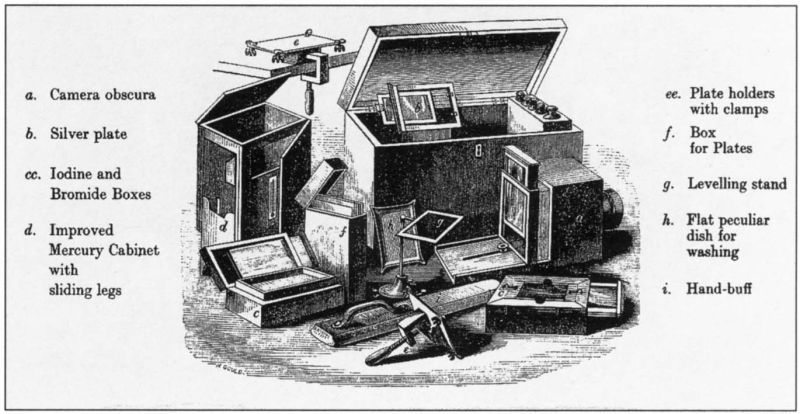
I believe we are at an identical inflection point with AI. The doomsayers focus on what's being commoditized - basic coding, rote tasks, operational patterns - but that's not destruction, it's liberation. AI handles the execution layer, which frees up cycles for humans to exercise creativity and tackle more opportunities.
Interestingly, the speed of adoption in healthcare has so far been mind-boggling given the industry's historical aversion to deploying new innovation. IMHO, that's mainly due to existential threats to the industry that threaten its financial viability (posts for another day) and ability to provide the services our society needs.
Take AI scribes. They've very quickly gone from 'what's ambient listening?' to standard-of-care level tools because the data very quickly showed them to be effective in countering one the most significant existential threats - provider burnout. A study published in JAMA Oct-25 titled Use of Ambient AI Scribes to Reduce Administrative Burden and Professional Burnout found that after just 30 days of use, providers experiencing burnout dropped from 51.9% to 38.8% because AI scribes drive meaningful drops in after-hours charting and cognitive load, and ultimately free clinicians to focus on patients instead of paperwork. I have even heard from C-level execs from the largest hospital systems that even though AI scribes are a net-loss, they invest in them anyway because it's the only way to recruit and RETAIN the best physicians. Significant statement in an industry with low single digit net margins.
And it's not just about provider admin automation. There is massive innovation happening in diagnostics, drug development, personalized medicine, and all over the back-office.
I'll go out on a limb - 10 years from now, there will be more people in healthcare than there are today, but they will be focused on clinical tasks that actually improve patient outcomes, instead of EMR charting, compliance, coding or other 'AI-able' admin tasks. In retrospect, EMRs will be the daguerreotype of the healthcare stack.
Read Pete's piece and come back & tell me what you think.